Psychiatry & Counselling
Stress vs. Anxiety: What's the Difference and When Should You Seek Help?

Your heart is racing. Your sleep is broken. You can't stop your mind from cycling through the same worries, and you're not quite sure why you feel so on edge — even on days when nothing particularly difficult has happened.
Sound familiar? You are far from alone.
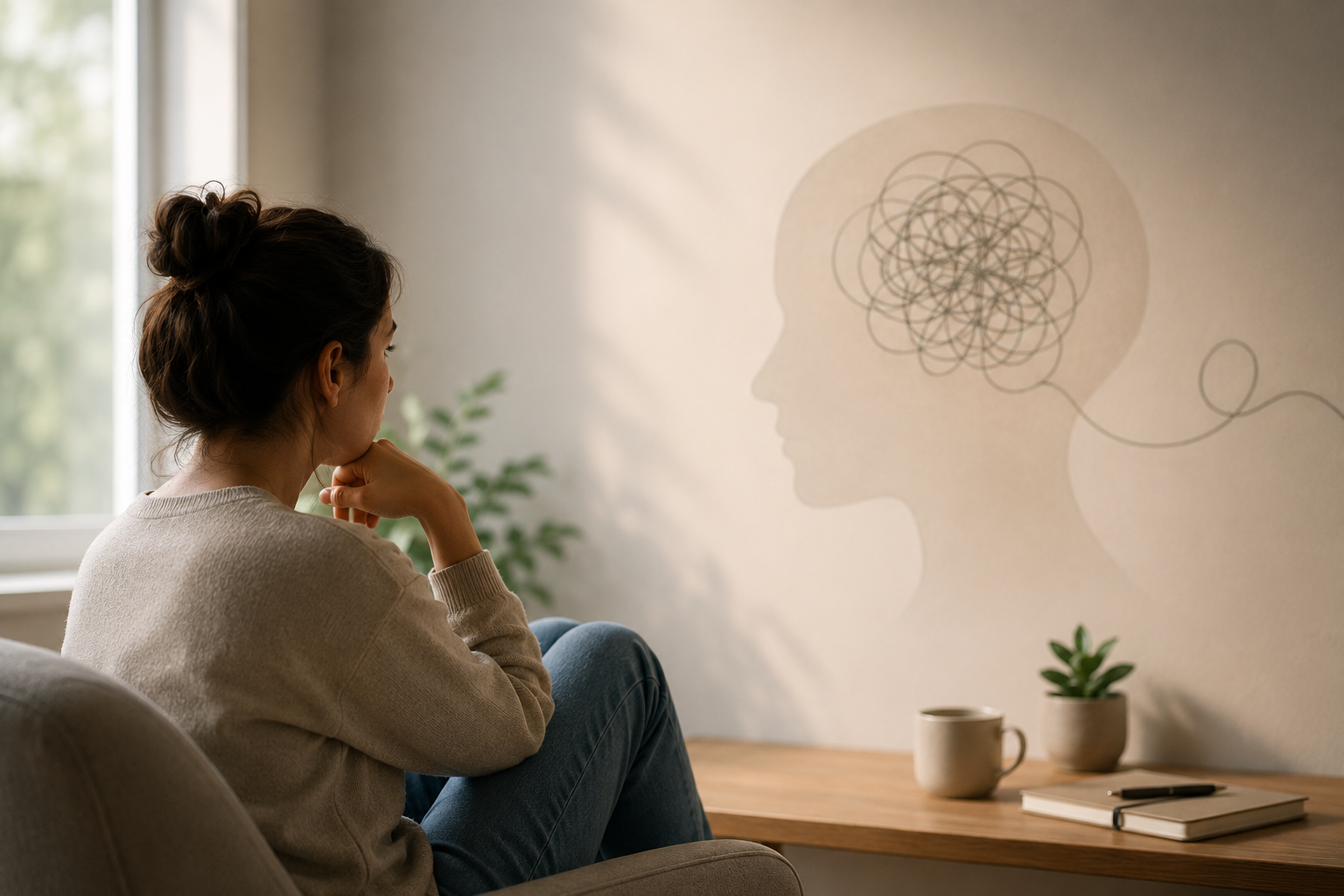
Stress and anxiety are two of the most frequently discussed mental health topics — and two of the most commonly confused. Many people use the words interchangeably. But they are meaningfully different, and understanding that difference matters enormously, both for how you manage what you're experiencing and for knowing when professional support could help.
What Is Stress? Understanding the Body's Alarm System
Stress is the body's natural response to external pressure. When you face a work deadline, a difficult conversation, a financial challenge or a family crisis, your nervous system activates — releasing hormones like cortisol and adrenaline that prepare you to respond. This is the well-known "fight or flight" response, and in the short term it is normal and even helpful.
Stress is commonly linked to an identifiable demand or pressure, and it often eases when that situation resolves. This is a useful practical distinction, but it is not absolute: stress and anxiety overlap, and both can persist or occur together.1
Stress can be:
- Acute — short-term, tied to a specific event (an exam, a deadline, a conflict). Usually resolves on its own.
- Chronic — long-term stress that persists because the underlying stressor doesn't go away (financial strain, a demanding job, a difficult relationship). Chronic stress carries more significant health risks.
Common Symptoms of Stress
- Physical: headaches, muscle tension (neck and shoulders), fatigue, sleep disturbance, digestive issues
- Emotional: irritability, low mood, restlessness, feeling overwhelmed
- Behavioural: appetite change, social withdrawal, procrastination, increased use of alcohol, caffeine or other substances
What Is Anxiety? When Worry Takes on a Life of Its Own
Anxiety shares many physical and emotional features with stress, which is why the terms are often confused. Anxiety may be connected to a recognisable situation, or it may continue without a clear immediate threat. The absence of an identifiable trigger alone does not diagnose an anxiety disorder.1
Anxiety can be a normal and proportionate response to uncertainty or danger. An anxiety disorder is considered when fear or worry becomes excessive, difficult to control, persistent and associated with significant distress or impairment. Generalised anxiety disorder involves excessive worry across several areas of life rather than simply feeling anxious occasionally.2
Common anxiety disorders include Generalised Anxiety Disorder (GAD), social anxiety disorder, panic disorder and specific phobias. In the UAE — where many residents navigate expat life, professional transitions, cultural adjustment and distance from family support — anxiety disorders are more common than many people realise.
Common Symptoms of Anxiety
- Physical: rapid or irregular heartbeat, sweating, trembling, dizziness, shortness of breath, persistent headaches, GI symptoms
- Emotional: feelings of dread or impending doom, apprehension, persistent low-level fear, irritability
- Cognitive: racing or intrusive thoughts, difficulty concentrating, "what if" thinking, catastrophising
Stress vs. Anxiety: Side-by-Side Comparison
| Feature | Stress | Anxiety |
|---|---|---|
| Primary context | Often linked to an identifiable demand or pressure | May be linked to a situation or occur without a clear immediate threat |
| Duration | Often improves when the pressure resolves, but chronic stress can persist | May persist and become difficult to control |
| Focus of worry | Often centred on the current pressure | May extend across several areas of life |
| Physical symptoms | Muscle tension, fatigue, headaches, sleep issues | Racing heart, sweating, trembling, dizziness |
| Cognitive symptoms | Overwhelmed, difficulty prioritising | Intrusive thoughts, catastrophising, cognitive fog |
| Impact on functioning | Interferes when severe or chronic | Can significantly impair daily life even at moderate levels |
| Typical resolution | Eases when situation changes | May need professional support |
How to Tell If What You're Feeling Is Stress or Anxiety
- What seems to be driving it? An identifiable pressure may point toward stress, but anxiety can also be triggered by real situations. Trigger alone cannot establish a diagnosis.
- What happens when the situation changes? Stress often eases when the pressure resolves. Anxiety may continue, shift to other concerns or remain difficult to control.
- Is it persistent or worsening? Ongoing symptoms deserve attention, particularly when worry is difficult to control.
- Is it affecting daily functioning? Difficulty working, maintaining relationships, sleeping or carrying out ordinary activities is an important reason to seek professional support.2
When Should You Seek Professional Help?
Consider seeking professional support if:
- Symptoms have persisted for more than two to four weeks without improvement
- You are struggling to meet responsibilities at work, at home or in relationships
- You are using alcohol, substances or avoidance strategies to cope
- Sleep problems are becoming chronic and affecting your functioning
- You feel a persistent low-level sense of dread that doesn't connect to anything specific
- You are experiencing panic attacks or physically frightening symptoms
Stress and anxiety are among the most treatable mental health concerns. Evidence-based treatment depends on the nature and severity of the symptoms. NICE recommends a stepped approach for generalised anxiety disorder, which can include education and monitoring, structured psychological treatment such as CBT or applied relaxation, and medication when appropriate.2
At Health Call Clinic, our counsellor Ms Fariha Khan works with adults, adolescents and families experiencing stress, anxiety and related mental health difficulties. For those whose anxiety has a more clinical presentation, consultant psychiatric assessment and treatment is available with Dr Indira Priyadarshini, both in-clinic and via DHA-approved online consultation.
Self-Care Strategies That Actually Help
For stress: identify and address the source directly · structured rest and regular sleep · physical exercise · clear boundaries around work.
For anxiety: grounding techniques · slow diaphragmatic breathing · reduce caffeine · limit avoidance behaviour.
For both: reduce social media and news when it fuels worry · maintain social connections · talk to someone you trust.
Frequently Asked Questions
Can stress turn into anxiety?
Chronic stress can contribute to anxiety symptoms, and the two frequently overlap, but stress does not inevitably develop into an anxiety disorder.1
Is anxiety a mental illness?
Anxiety exists on a spectrum. When it becomes persistent, disproportionate and impairing, it may meet the criteria for an anxiety disorder — a highly treatable condition.
Can I have both stress and anxiety at the same time?
Absolutely — they frequently coexist. A professional assessment can clarify what is happening and what support is most appropriate.
Does counselling work for anxiety?
Yes. CBT has strong guideline support for generalised anxiety disorder. The appropriate therapy and number of sessions vary according to the condition, its severity, individual needs and treatment preferences.2
Is counselling covered by insurance in Dubai?
Health Call Clinic accepts direct billing from most major UAE insurers. See our insurance list.
You Don't Have to Figure It Out Alone
If the symptoms are persistent, if they're affecting the quality of your life, or if you simply feel like you're carrying more than you should be managing alone — that is enough reason to reach out. Where symptoms have tipped into something more clinical, our page on assessment and treatment for anxiety explains the options. Book a consultation at Health Call Clinic, Dubai Healthcare City, or call +971 4 363 5343.
Clinical references
Sources consulted while preparing this article. Links open the original guideline or publication.
- 1.What's the difference between stress and anxiety?American Psychological Association↑ back to text
- 2.Generalised anxiety disorder and panic disorder in adults: management (CG113)National Institute for Health and Care Excellence (NICE) · 2011↑ back to text
Find our health articles useful? Add Health Call Clinic as a Preferred Source on Google.
Have a question about this topic?
Our clinicians are happy to answer general educational questions related to this article.
We can't provide a diagnosis, recommend treatment, or comment on an individual medical case without a proper clinical assessment. If your question concerns your own symptoms, diagnosis, medications, test results, or treatment, please book an appointment so we can help you properly.
Please don't send medical records or sensitive personal health information through this educational Q&A.
Talk to an expert at Health Call Clinic
In-clinic rheumatology, psychiatry and counseling, plus DHA-approved online psychiatry consultations at Dubai Healthcare City.